Tapa
Torreznos and Vermouth: the crispy tapa winning over bar counters
Torreznos, a classic from Castilian cuisine, have become one of those irresistible tapas that pair beautifully with a good vermouth. Crispy on the outside, juicy inside and increasingly common in bars and vermouth houses, they remain a sure-fire aperitif choice.
2026-05-05
What torreznos are and why they work so well with vermouth
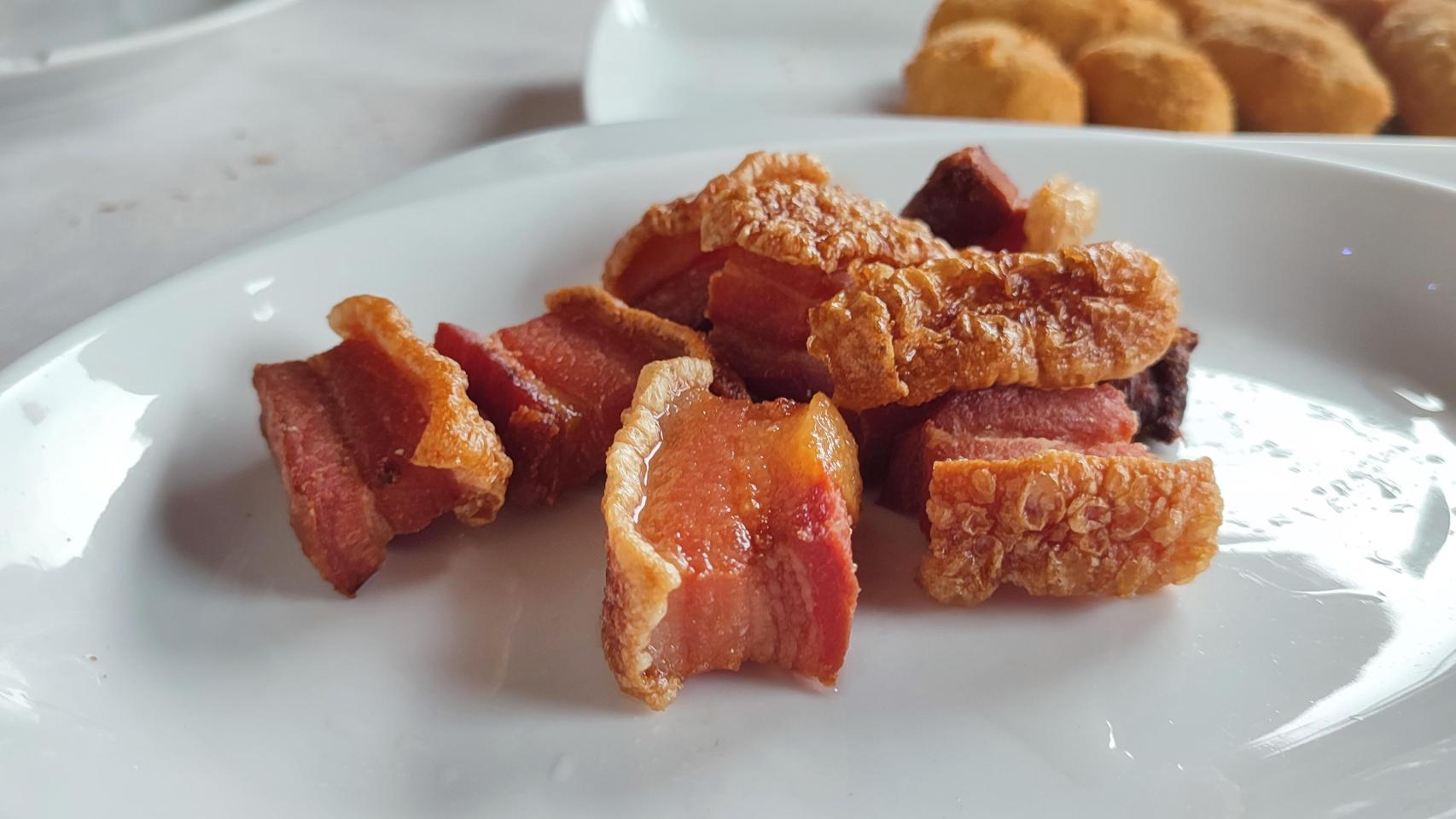
Torreznos are one of the most recognisable tapas in the Castilian culinary tradition. Made from pork belly, they stand out for the contrast between a crispy crust and a tender, flavourful interior. That balance of texture, richness and savoury depth explains why they have moved from a speciality closely tied to Castilla to a familiar presence on many aperitif bar counters.
With vermouth, they make a particularly satisfying match. The drink’s light bitterness, herbal notes and subtle spice help balance the fat of the torrezno and refresh the palate between bites. The result is a tapa with character, very much bar culture, built for unhurried conversation and the classic midday aperitif. 🍷
From Castilla to vermouth bars across Spain
Although torreznos immediately evoke Castilla, and especially the provinces where this preparation forms part of local food identity, the truth is that they have long since outgrown their place of origin. Today you’ll find them in traditional taverns, product-driven bars, casual dining spots and vermouth houses where snacking goes hand in hand with a good selection of vermouths.
Their spread is not just about tradition, but also about their ability to appeal to very different audiences. Those looking for a hearty tapa value them for their flavour.
Fans of a long aperitif appreciate their texture and intensity. And regulars at vermouth counters recognise them as a choice that works just as well in a classic bar as in a more contemporary setting.
How torreznos are served at aperitif hour
One reason for their success is that they lend themselves to different serving styles. In many venues they are brought out in pieces, ideal for sharing and for pairing with a round of vermouths without needing cutlery. Elsewhere they are served in longer strips or even whole, for a more substantial experience and for those who see this tapa as the star of the table.
Their accompaniments also vary. Some bars serve them on their own, letting the product speak for itself.
Others add bread, patatas revolconas, peppers or a mild sauce. Even so, when a torrezno is well made, the contrast between the puffed crackling, the melting fat and the juicy meat is usually all that’s needed.
Which vermouth pairs best with torreznos?
There is no single perfect match, but there are combinations that work especially well. Red vermouth is usually the most natural partner for torreznos. Its spicy profile, slight sweetness and balanced bitterness harmonise beautifully with the deep flavour of pork and the toasted notes of frying.
White vermouth can also work, especially when it has a dry or herbal profile that brings freshness to the pairing. In more personal interpretations, some venues opt for more vinous, less sweet vermouths that leave room for the tapa to take centre stage.
If it is served with ice, an orange slice or an olive can round out the aperitif. The key is for the vermouth to keep its freshness and lift, because that liveliness is what best complements a bite as intense as torreznos.
What makes a good torrezno
Not all torreznos are the same. A good one should have a crisp, airy crackling that never turns too hard. The fat should be rendered, silky and pleasant to bite into, while the lean meat should keep its flavour and juiciness.
The quality of the pork belly, the curing, the resting time and the frying method all make a difference. At the bar, you can tell immediately when care has been taken: the torrezno does not feel heavy, does not drip with excess oil and preserves that balance of power and pleasure that keeps people reaching for another piece.
Timing also matters. Served fresh, it reaches its best expression, with the crackling at full strength and the inside still hot. That is why, when it appears well executed in a vermouth bar or a tavern with a steady hand, it often becomes one of those dishes that customers ask for again and again.
Where this tapa shines most
Torreznos shine especially in bars where aperitif time is treated as a ritual. Traditional taverns, home-style restaurants, Castilian bars and vermouth houses with a kitchen are some of their natural settings. In all of them they bring something few tapas offer so clearly: direct flavour, memorable texture and an immediate appetite-opening effect.
They also fit perfectly in informal settings, from a weekend vermouth to a shared meal based on small plates. Served at their best, they are one of those tapas that capture a certain way of understanding bar life in Spain: simple ingredients, precise execution and straightforward pleasure. 🫒
FAQ about torreznos and vermouth
Are torreznos always a Castilian tapa?
Their origin and identity are closely linked to Castilla, but today they can be found in bars and vermouth houses across many parts of Spain.
Are they better served in pieces or whole?
It depends on the venue and the moment. In pieces, they are usually more convenient for sharing during aperitif hour. Whole or in larger strips, they offer a more substantial experience.
Which vermouth goes best with torreznos?
Red vermouth is usually the most common choice thanks to its balance of sweetness, bitterness and spice. However, dry or herbal white vermouths can also pair very well.
How can you tell if a torrezno is well made?
The crackling should be very crisp, the fat silky, the meat juicy and the finish not overly oily. The key is texture balance.
Are torreznos a good tapa for sharing?
Yes. Especially when served in portions, they work extremely well at the centre of the table with one or more glasses of vermouth.