Cap i pota: what it is and why this traditional tapa is making a comeback | GuiaVermut.com
Tapa
Cap i pota: the classic tapa making a comeback
Rich, savory, and deeply traditional, cap i pota has moved from humble offal cooking to one of the most sought-after tapas in bars and neighborhood eateries. Here’s what it is, why it’s surging again, and how to enjoy it.
2026-10-21
What cap i pota is
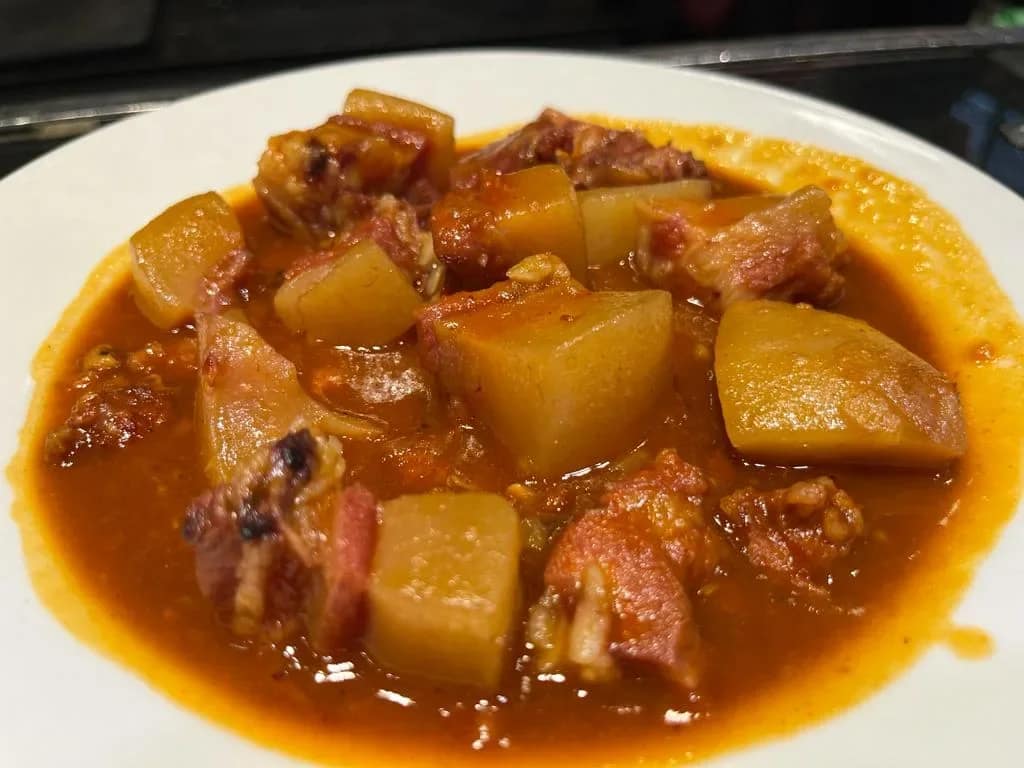
Cap i pota is a traditional Catalan dish made with slow-cooked meat, typically using veal head and trotters. It belongs to the world of hearty, long-simmered cooking: a silky texture, a deeply flavored sauce, and a recipe rooted in popular cuisine, neighborhood bars, and old-school eateries that still keep classic cookbooks alive.
For years, it was associated with humble cooking and with the careful use of offal. Today, however, it is once again attracting attention from diners looking for authentic flavors, layered stock notes, and tapas with real character. 🍷
From everyday dish to cult tapa
Few dishes tell the story of traditional cooking as clearly as cap i pota. It began as a home-style, tavern-friendly recipe designed to make the most of modest ingredients through patience, sofrito, and slow cooking. What was once an everyday meal in many homes and bars gradually gave way to faster, more standardized dishes.
Still, its disappearance was never complete. In many classic bars, it remained on the menu as a favorite for loyal regulars. That persistence has helped bring it back into the spotlight: not only as a family recipe of memory, but also as a tapa sought out by people who value , , and dishes with identity.
slow cooking
deep flavor
Why cap i pota is trending again
Its comeback is no accident. Several factors explain the renewed interest:
A return to traditional flavors: more and more people want food with identity, rooted in a place and its history.
A fresh appreciation for offal: chefs and food lovers have helped remove prejudices and highlight its richness.
Texture and depth: few tapas offer this combination of tenderness, intensity, and comfort.
A natural fit for characterful bars: it works beautifully as a spoonable tapa, a shareable portion, or a special of the day.
Perfect for slow aperitifs and relaxed tapas: it invites you to sit down, tear bread, and stretch the conversation. 🥖
This renewed popularity also reflects a shift toward eating in a less rushed, more curious way, with a greater openness to dishes that were once pushed to the margins.
How a good cap i pota is made
The foundation of a great cap i pota is time and balance. The recipe usually starts with careful cleaning and a long simmer to achieve its signature gelatinous texture. After that comes the sofrito, which adds depth, and depending on the kitchen, ingredients such as tomato, onion, garlic, paprika, wine, or a touch of heat may be added.
Some versions include chickpeas, chorizo, snout, or other tender cuts that enrich the dish. Others are more restrained, where the key is to bind the sauce properly and keep every bite luscious without becoming heavy.
The difference between a decent cap i pota and a memorable one usually comes down to three things:
the melting tenderness of the meat,
the balanced intensity of the sauce,
and the resting time, which rounds out the flavor.
What to serve with it
Cap i pota works best in the right setting. It is not usually a tapa for rushing; it is a dish to enjoy slowly, ideally with good bread nearby. It pairs especially well with:
crusty bread for mopping up the sauce,
a classic-style vermouth at lunchtime,
light red wines or wines with bright acidity,
and a lineup of traditional tapas when sharing at the table.
If it appears on a vermouth bar menu, it sits naturally beside other dishes with a popular, old-school soul: pickles, preserves, short stews, and spoonable tapas.
Where cap i pota fits today
Cap i pota is in a particularly interesting moment because it can be read in two ways at once. On one hand, it remains a dish with deep roots, tied to long-standing bars, markets, classic taverns, and family kitchens. On the other, it has found a new place in venues that reclaim traditional recipes with a modern presentation and a more curious approach to offal.
That means you can now find it both in popular-style eateries and in bars that celebrate recognizable Catalan cooking. When it is well made, it needs no tricks: a small casserole, a good sauce, and the exact point of tenderness are enough to show why it is back in the conversation.
FAQ about cap i pota
What does cap i pota mean?
In Catalan, cap i pota literally means “head and foot,” referring to the cuts traditionally used in the recipe.
Is cap i pota offal?
Yes. It is considered an offal dish, although careful preparation and long cooking turn it into a tender, flavorful, highly appreciated tapa.
How is it usually served?
It is usually served hot, in a casserole or deep plate, with sauce and bread on the side. Depending on the place, it may be offered as a tapa, half portion, or full dish.
Is it a typical Catalan dish?
Yes, it is closely tied to traditional Catalan cuisine, especially bars, inns, and eateries that have kept classic stews on the menu.
Why is it fashionable again?
Because it fits the renewed interest in traditional cooking, well-made offal, and tapas with personality and history.
Fichas recomendadas
Lugares y referencias dentro de esta guia
Una seleccion de fichas relacionadas para ampliar la lectura y entrar directo en bodegas, vermuts o locales.
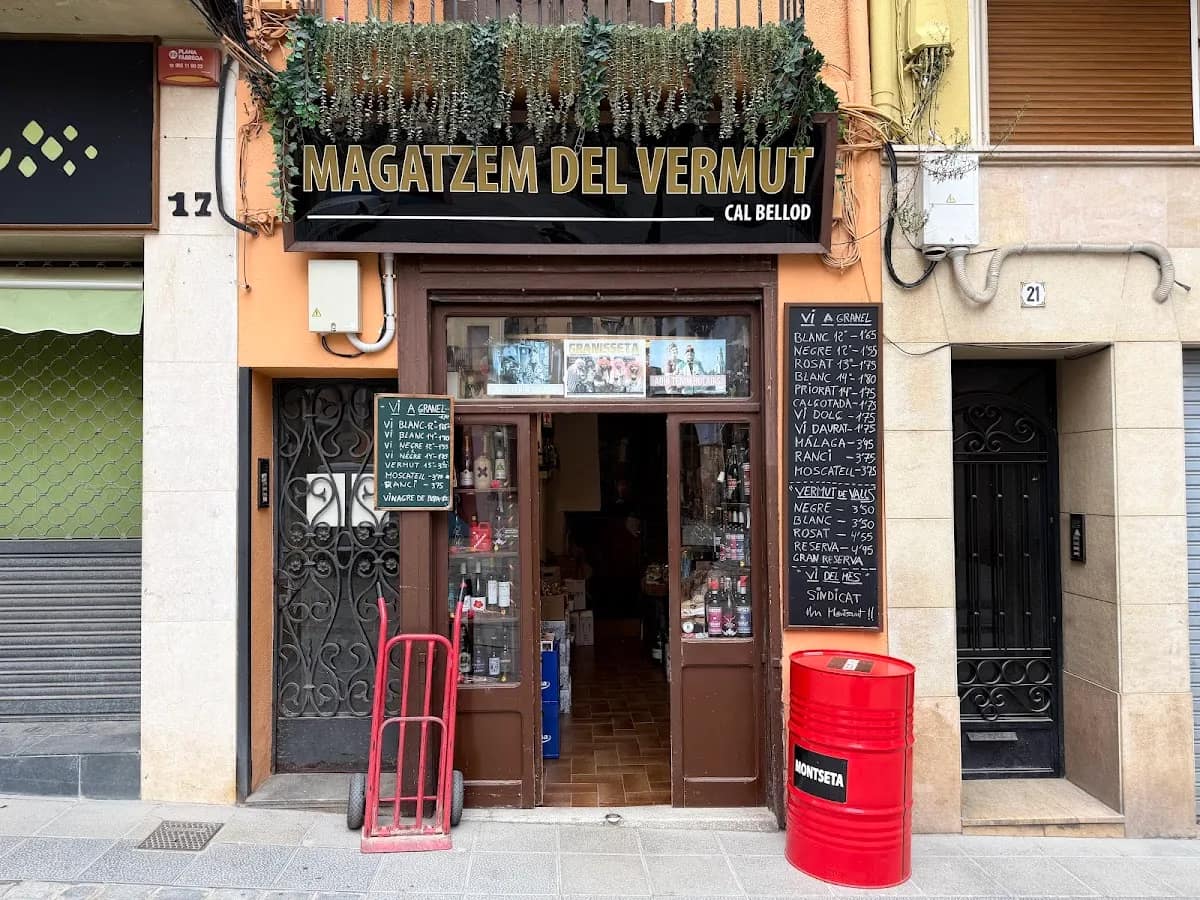
Descubre Magatzem del Vermut - Vermut.shop, vermutería en Valls y tienda especializada en el Carrer de la Peixateria. Vermut, tapas, bravas y torreznos en el centro.
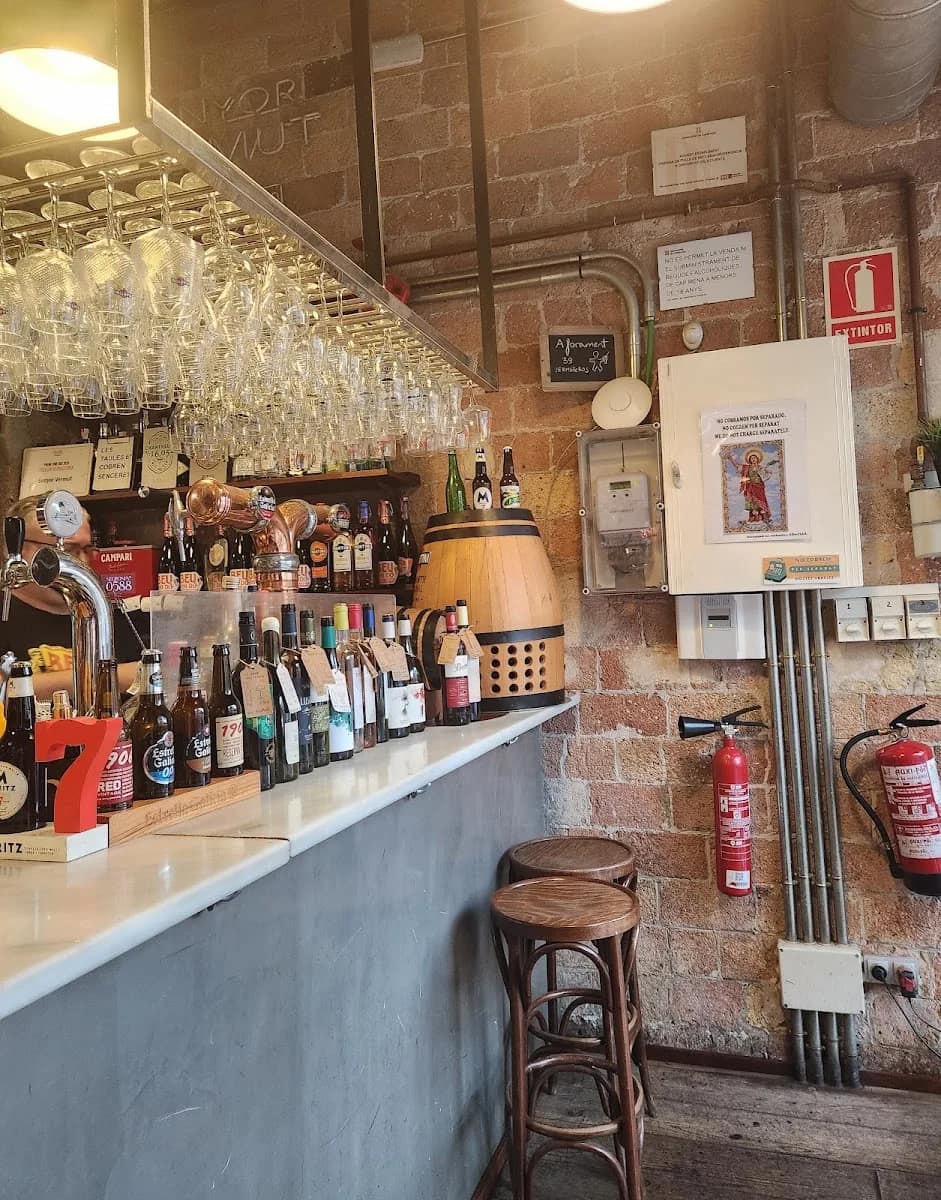
Discover Senyor Vermut at Carrer de Provença, 85: vermouth in Eixample, tapas to share, a terrace and the easygoing feel of a neighbourhood bar in Barcelona.