Tapa
Grilled Lacón: the classic that turns a slice of bread into something glorious
Juicy, savory, and finished with a good drizzle of olive oil, grilled lacón is one of those simple bites that never misses. Here’s why it remains a bar counter classic, how it’s served, and what to pair it with to enjoy it at its best.
2026-10-22
What makes grilled lacón special
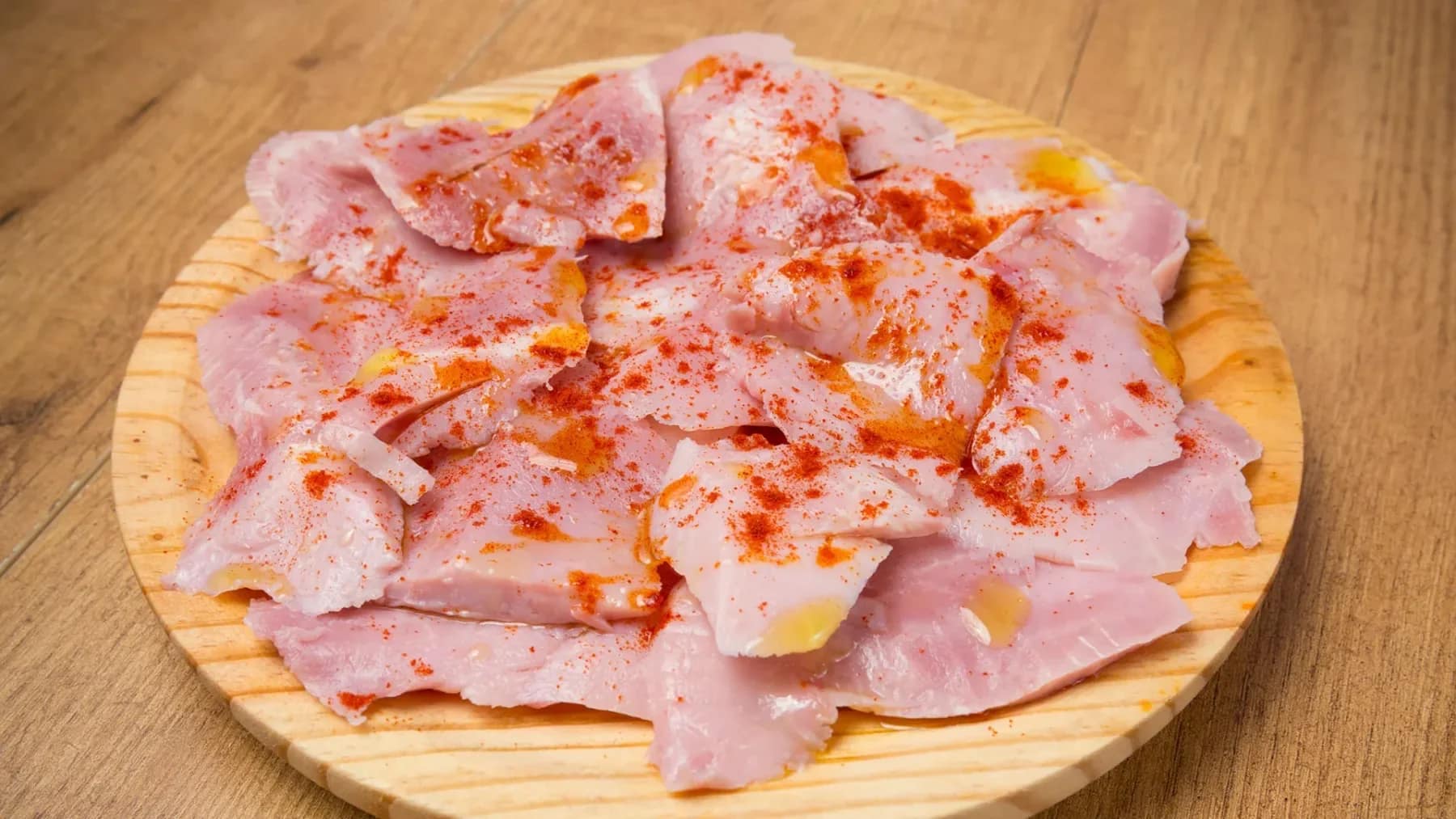
Grilled lacón has something few dishes achieve: with very little, it delivers a lot. A generous portion, nicely seared on the outside, tender inside, and finished with a drizzle of olive oil, is enough to understand why it remains a staple in bars, taverns, and traditional eateries.
Its appeal lies in the mix of textures, the intensity of flavor, the golden sear, and the way the olive oil ties everything together. When it arrives with bread, the experience gets even better: the oil blended with the meat juices turns each bite into a small ritual. 🍷
Where its reputation comes from
Lacón is part of the traditional cooking of northwestern Spain and holds a special place in Galician cuisine. For years, it has been a familiar product both for celebrations and for casual tapas service, and that dual role explains much of its popularity.
Although many people associate it with cooked lacón or the classic lacón with turnip greens, the grilled version has gained ground thanks to its simplicity and direct character. It does not need many additions: when the product is good, a hot grill and a restrained seasoning are enough to make it shine.
How it is served at its best
Good grilled lacón calls for balance. If it is cooked too much, it loses some of its juiciness; if it is underdone, it misses the toasted finish that makes it so appetizing. The ideal point is a lightly browned surface with a tender interior and the fat properly integrated.
It is usually served in slices or not-too-thick cuts so the grill can work quickly and evenly. After that, a splash of olive oil helps round out the dish, adding shine, aroma, and a smoother mouthfeel. In some places it is also finished with paprika or a few flakes of salt, although the product always remains the star.
The role of olive oil and bread
This is one of the keys to the dish. The oil is not just an extra touch: when it is well chosen and carefully measured, it enhances the flavor of the lacón and brings all its nuances together.
Bread is just as important. Far from being a secondary side, it is part of the experience. A good loaf, with a sturdy crust and an elastic crumb, soaks up the oil and juices and turns the end of the dish into one of its best moments. Some bites are remembered more for what they leave on the table than for how they look, and this is one of them.
What to serve with it
Grilled lacón works especially well as a tapa, a sharing plate, or an appetizer. It can be served on its own, with potatoes, with peppers, or alongside a simple salad for a fresher contrast. The goal is not to compete with the dish, but to frame it in a way that makes it even more enjoyable.
For drinks, it pairs very well with fresh, clean options. A cold vermouth can be a great match, especially if you want the contrast between the dish’s richness and an aromatic, balanced sip. It also works nicely with crisp white wines or light reds served at the right temperature. 🥂
When it is most tempting
Some dishes fit almost any moment, and grilled lacón is one of them. In a busy lunch bar, as a long aperitif, at an informal meal, or during a shared dinner of small plates, it always finds its place.
Its great virtue is that it feels familiar without being dull. It has something recognizably traditional, but when it is well made it still has the power to surprise. That is probably why it never goes out of style: it delivers everything you expect from a classic, with no need to overcomplicate things.
FAQ about grilled lacón
What is the difference between grilled lacón and cooked lacón?
The main difference is in the finish. Cooked lacón has a softer, more uniform texture, while grilled lacón gains a golden exterior and a more intense flavor from the searing.
Does grilled lacón always come with olive oil?
Not always, but it is very common. A well-measured drizzle of olive oil boosts the flavor and improves the juiciness.
What kind of bread goes best with it?
A bread with a sturdy crust and a firm crumb works best, since it can hold the oil and juices without falling apart.
Is it better as a tapa or as a full portion?
Both work well. As a tapa, it is ideal for aperitivo; as a full portion, it is excellent for sharing.
What drink pairs well with it?
It goes very well with cold vermouth, fresh white wines, or light reds that balance the dish’s richness.