Tapa
Anchovy Gilda: the essential tapa for any vermouth bar
Anchovy Gilda is one of those tapas that capture the aperitif in a single skewer: salinity, acidity and character. Here’s what makes it special, how it is served and why it has become a staple on bar counters and in vermouth bars.
2026-10-21
What Is an Anchovy Gilda?
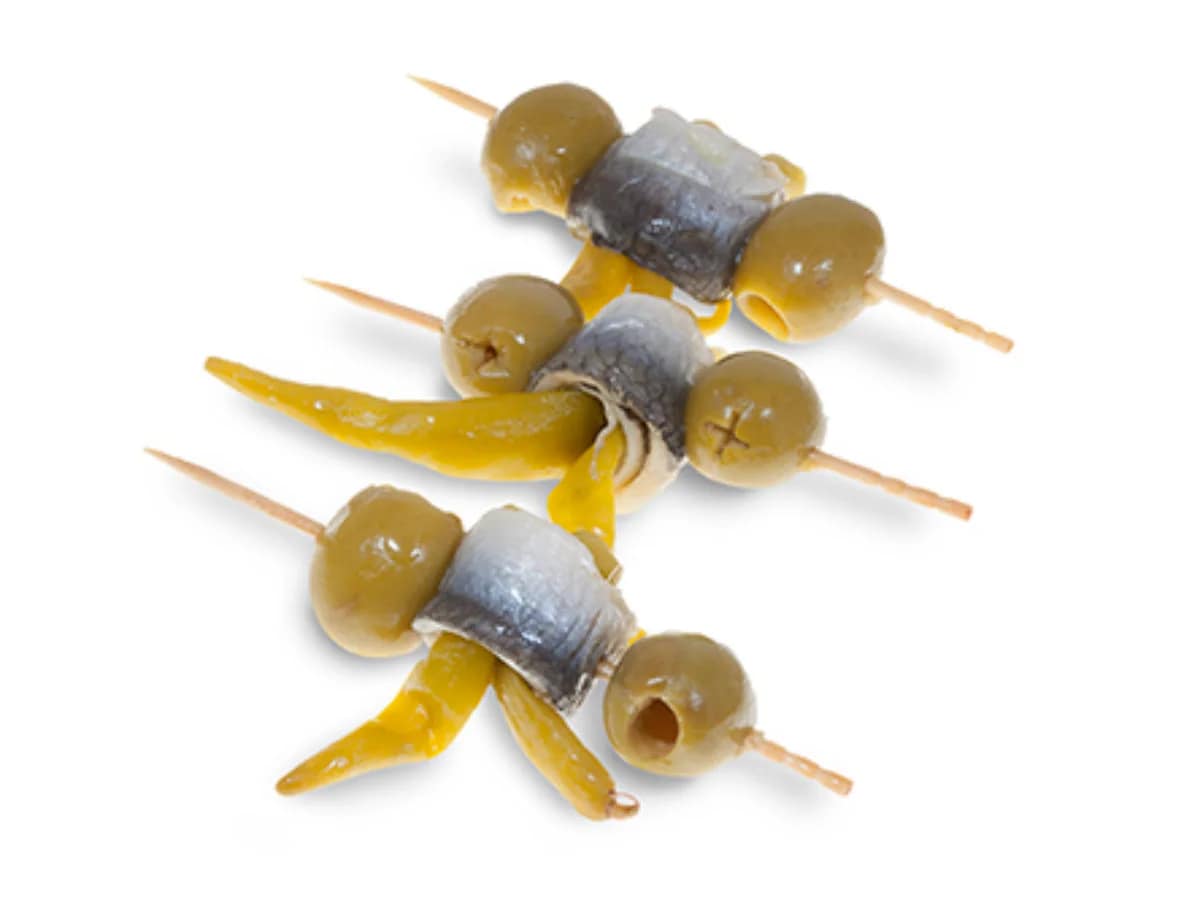
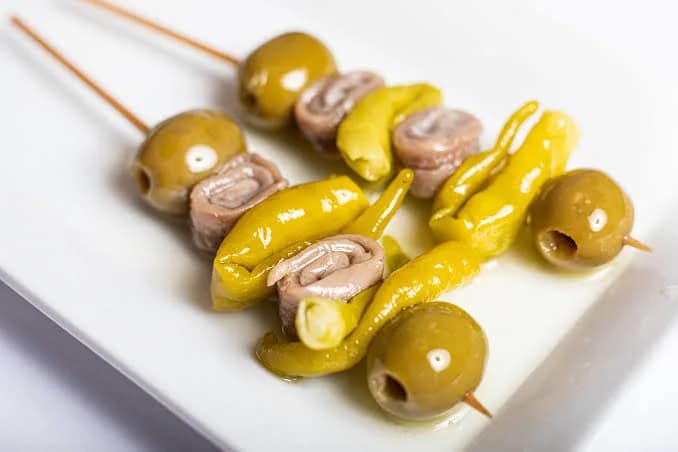
The Anchovy Gilda is one of the most recognizable versions of the classic gilda, a bar skewer that brings together intensity, balance and plenty of personality in a single bite. Its usual combination starts with an anchovy, an olive and a piparra pepper threaded onto a skewer, creating that unmistakable contrast of salinity, acidity and a subtle vegetal note.
In the aperitif world, few bites are as effective. The Anchovy Gilda stimulates the appetite, pairs beautifully with a well-chilled drink and brings the immediate appeal of a bar that knows what it is doing. That is why it has become almost mandatory in vermouth bars, taverns and aperitif spots that take their snacks seriously. 🍸
Why This Gilda Works So Well at Aperitif Time
Its success lies in balance. The anchovy adds depth and umami; the olive brings roundness and texture; the piparra delivers freshness, acidity and a gentle crisp bite. The result is a short, direct skewer with plenty of liveliness.
It also fits perfectly into aperitif timing. It can be eaten in one or two bites, requires no complicated last-minute preparation and keeps a very clear identity on the counter or in the display case. That apparent simplicity is exactly part of its charm.
When a vermouth bar includes a good Anchovy Gilda, it says a lot about its approach: it values the product, respects familiar flavors and knows how to pair vermouth with more than just a pickle.
Ingredients That Make the Difference
Not all gildas are the same. Even with a simple base, the final result changes significantly depending on the quality of each element.
- Anchovy: it should be well-sized, firm in texture and balanced in saltiness. An overly aggressive anchovy can overpower the whole bite.
- Piparra pepper: it should be tender, with clean acidity and only a very mild heat, or none at all.
- Olive: a plump olive is usually preferred, one that can support the bite without disappearing among the other flavors.
- Dressing: some versions include a little oil to round things out and add shine to the skewer.
In such a brief format, there is nowhere to hide flaws. That is why the Anchovy Gilda depends so much on product selection and the proportion between its components.
How to Serve a Good Anchovy Gilda
A good gilda should be served cold or lightly chilled, ready to eat and presented neatly. The assembly matters: the skewer must allow for a comfortable bite and keep the flavors in order without falling apart when picked up.
Timing matters too. The Anchovy Gilda shines especially at the start of the aperitif, when the palate welcomes sharp, clean flavors. At the bar, it works as a calling card; at the table, it is the perfect opening for sharing other pickles, preserves or small cold dishes.
In many vermouth bars, it appears alongside other gildas with boquerón, matriomonio-style combinations or tuna variations, allowing customers to compare styles and find their favorite version.
What Vermouth Pairs Best With It?
The Anchovy Gilda finds a natural partner in red vermouth, especially when it offers a good balance of bitterness, spice and a slightly sweet base. That contrast helps support the intensity of the anchovy and the acidity of the piparra without making the pairing feel excessive.
It can also work very well with a white vermouth that has a fresh, herbal profile, especially when the goal is a lighter combination. In both cases, the vermouth should be served very cold and kept restrained, so it does not overshadow the skewer.
If you want to build a full aperitif spread, the Anchovy Gilda pairs wonderfully with potato chips, dressed olives, cockles, pickled mussels or a good selection of preserved seafood. 🥂
Why Every Vermouth Bar Should Have One
Some bites help define a bar, and the Anchovy Gilda is one of them. It is instantly recognizable, strongly associated with the classic aperitif and, when well made, conveys care and craft.
It also suits very different kinds of customers. Anyone looking for a quick snack understands it immediately; anyone who values ingredients appreciates its nuances; anyone drinking vermouth expects exactly this kind of bite: brief, flavorful and full of character.
For all these reasons, the Anchovy Gilda is much more than just another skewer. It is an identity piece for any vermouth bar that wants to offer an appetizing counter, a recognizable style and a faithful aperitif ritual.
Common Variations Without Losing the Essence
The recipe allows for small changes, but it should not drift too far from what makes a gilda recognizable. Some bars add a stuffed olive, an extra drizzle of oil, another pickled element or a milder cured anchovy.
It is also common to find larger formats or versions with several anchovy fillets for a more intense profile. Even so, the essence remains the same: an agile, salty, acidic and addictive skewer.
When that balance is respected, the Anchovy Gilda keeps its reason for being and continues to hold a privileged place among the great aperitif classics.
FAQ About the Anchovy Gilda
What is in an Anchovy Gilda?
Most often, it includes anchovy, olive and piparra pepper threaded onto a skewer. Some versions add a light touch of oil.
How is it different from other gildas?
The main difference usually comes from the fish used or the combination itself. The Anchovy Gilda stands out for its salty intensity and deeper flavor profile.
Is it meant to be eaten in one bite?
That depends on the size, but it is usually designed to be eaten in one or two bites, quickly and comfortably during aperitif time.
Which vermouth pairs best with it?
It usually pairs very well with red vermouth for contrast and balance, although a fresh, herbal white vermouth can also work beautifully.
Is it suitable for any vermouth bar?
Yes, because it is recognizable, easy to fit into an aperitif counter and highly appreciated by people who enjoy classic, straightforward flavors.