Tapa
Russian Salad, a classic that never disappoints on a tapas table
Creamy, fresh and always appealing, Russian salad remains one of those tapas that works at any time. Its contrast with more intense bites makes it an essential choice for bars, terraces and shared tables.
2026-10-22
Why Russian salad remains an essential tapa
Russian salad has a fixed place in tapas culture because it works almost every time and for almost everyone. It is a familiar recipe, seemingly simple, and especially rewarding when it is made well. On a table with salty flavours, fried dishes, pickles or preserves, its smooth texture and chilled serving help create balance.
It also has an advantage few tapas keep so naturally: it feels familiar, yet it allows for nuance. Each kitchen can adjust the balance of potato, mayonnaise, tuna, olives, egg or pickles to give it its own character without drifting away from the classic version so many people expect.
What makes a good Russian salad special
A good Russian salad does not depend on an endless list of ingredients, but on careful preparation. The potato should be cooked just right, without excess water and with a texture that lets the whole dish come together without becoming heavy. The mayonnaise, in turn, should bring creamy richness without masking the flavour of the rest.
The balance between sweetness, saltiness and acidity is another key point. Carrot, tuna, hard-boiled egg or pickles can coexist harmoniously when no single element dominates. The ideal result is a tapa that feels fresh, light on the palate despite its richness, and with that homemade touch that makes you want another bite.
The freshness that balances a tapas spread
In a varied tapas selection, Russian salad plays a very clear role: it refreshes the whole table. Against more substantial options such as croquettes, patatas bravas, pork crackling or fried bites, it offers a cool, creamy pause that changes the pace of the meal.
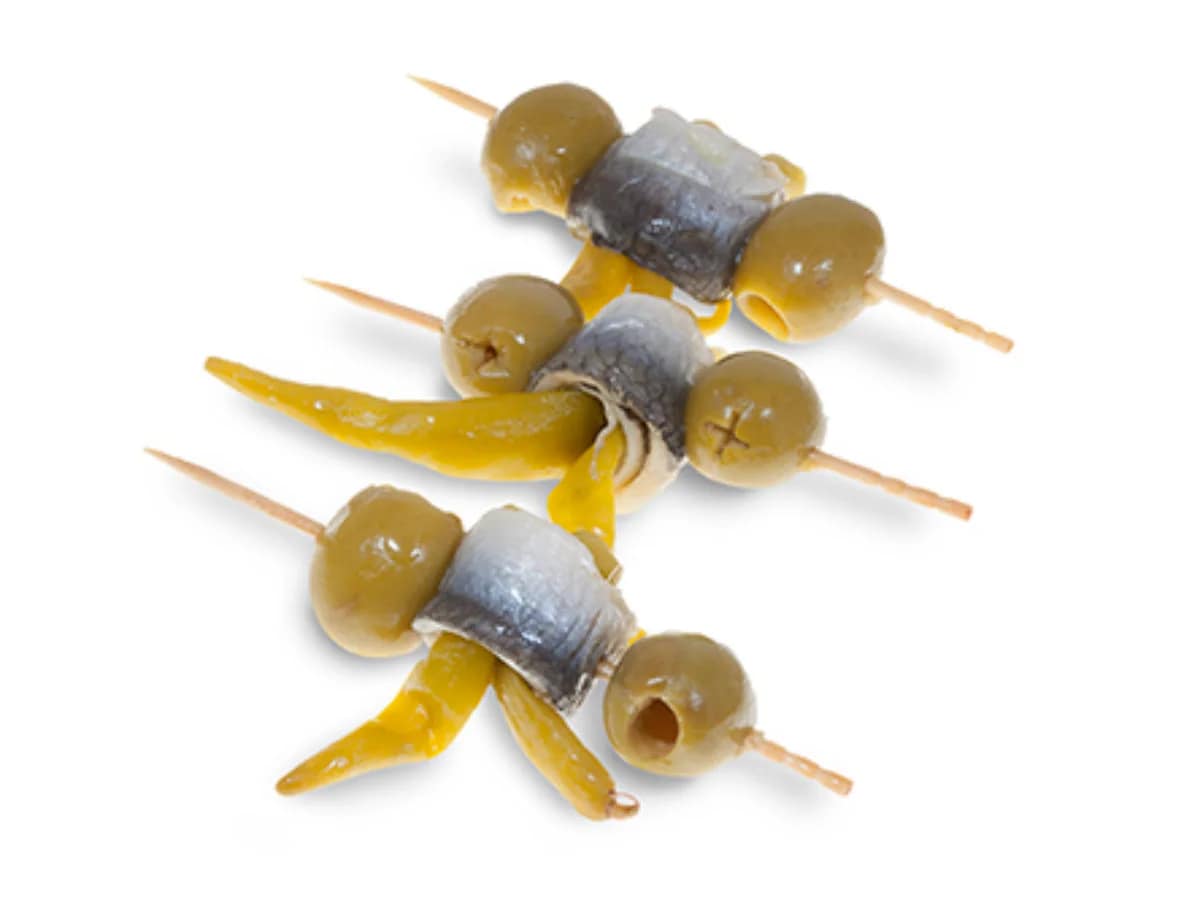
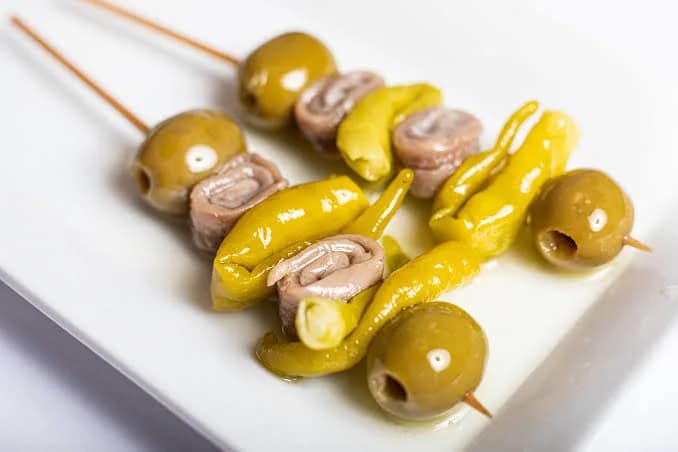
That contrast is exactly why it never feels out of place. It can open the aperitif, accompany a round of vermouth, or sit at the centre of the table for sharing. Its friendly flavour acts as a bridge between stronger dishes and helps the experience feel more complete, especially when paired with gildas, boquerones, marinated mussels or a good plate of olives. 🍷
How it is served and what pairs best with it
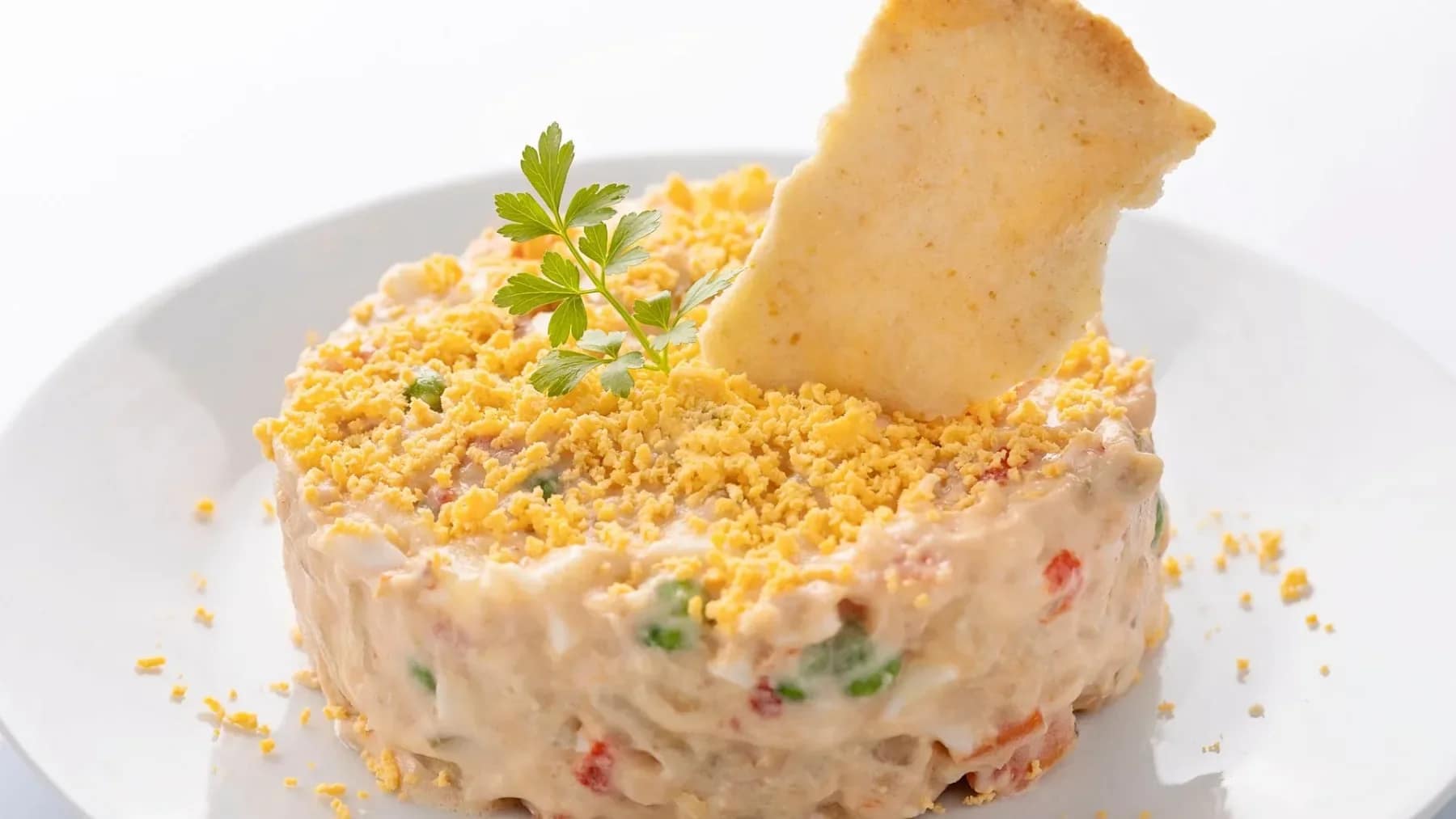
Russian salad is usually served well chilled, as a tapa or portion, sometimes topped with tuna belly, piparras, anchovy, grated egg or breadsticks. That finishing touch is not just decoration: it can lift a familiar recipe into something far more memorable.
As for pairing, it works especially well with drinks that are fresh and lightly bitter. A well-served vermouth, a very cold beer or even a young white wine can accompany it without overpowering its nuances. If the table includes preserves, pickles and salty appetisers, Russian salad becomes a very welcome point of connection.
Variations of Russian salad worth trying
Although the classic recipe remains the reference, there are versions that add interest without losing its essence. Some include prawns, others replace part of the tuna with white tuna, or add a touch of mild mustard. It is also common to find interpretations with lighter mayonnaise, more mashed potato or more visible cuts in the vegetables.
In many bars, the difference lies in the finishing touch: a quality anchovy, a few fish roe, a well-chosen pickle or a refined oil can completely change how the tapa is perceived. That is why it is worth ordering even in places with a familiar menu: when Russian salad is made with care, you can tell from the first spoonful.
When to order Russian salad in a vermouth bar
Russian salad shines especially at aperitif time and during informal meals meant for sharing. It is a very welcome option when you want a tapa that appeals to different tastes and brings freshness to the table. In a vermouth bar, it also works very well as part of the first round before moving on to more intense options.
If the venue handles cold dishes well and pays attention to classic recipes, ordering Russian salad is often a good way to gauge the kitchen’s standards. Behind a seemingly simple tapa lies technique, judgement and respect for a tradition that remains very much alive in bars across Spain.
FAQ about Russian salad
What ingredients does traditional Russian salad include?
The most common ingredients are potato, mayonnaise, tuna, carrot, hard-boiled egg and, in many cases, olives or pickles. From there, each bar or household adds its own nuance.
Is Russian salad served cold or warm?
It is normally served cold, as that temperature is part of its appeal and reinforces its refreshing character within a tapas spread.
Why does it pair so well with other tapas?
Because it brings a creamy texture and a fresh note that contrasts with fried foods, cured items, preserves and more intense preparations.
What drink pairs best with Russian salad?
It usually goes very well with vermouth, ice-cold beer or young, light white wines. The best choice depends on the rest of the tapas and the style of the aperitif.
How can you tell if a Russian salad is well made?
You can tell by the balance. The potato should not be watery or compacted, the mayonnaise should not overwhelm everything, and the overall result should feel creamy, fresh and pleasant from start to finish. 🫒