Vermouth with Anchovies: Why It Is One of the Best Aperitifs | GuiaVermut.com
Guia
Anchovies and Vermouth: the pairing that never fails
A good vermouth changes character when it arrives with a well-made anchovy and simple but polished tomato bread. This guide explains why the bite works so well, which details make the difference in a vermouth bar, and how to spot a recommendation worth ordering.
2026-04-27
Why anchovies elevate vermouth so much
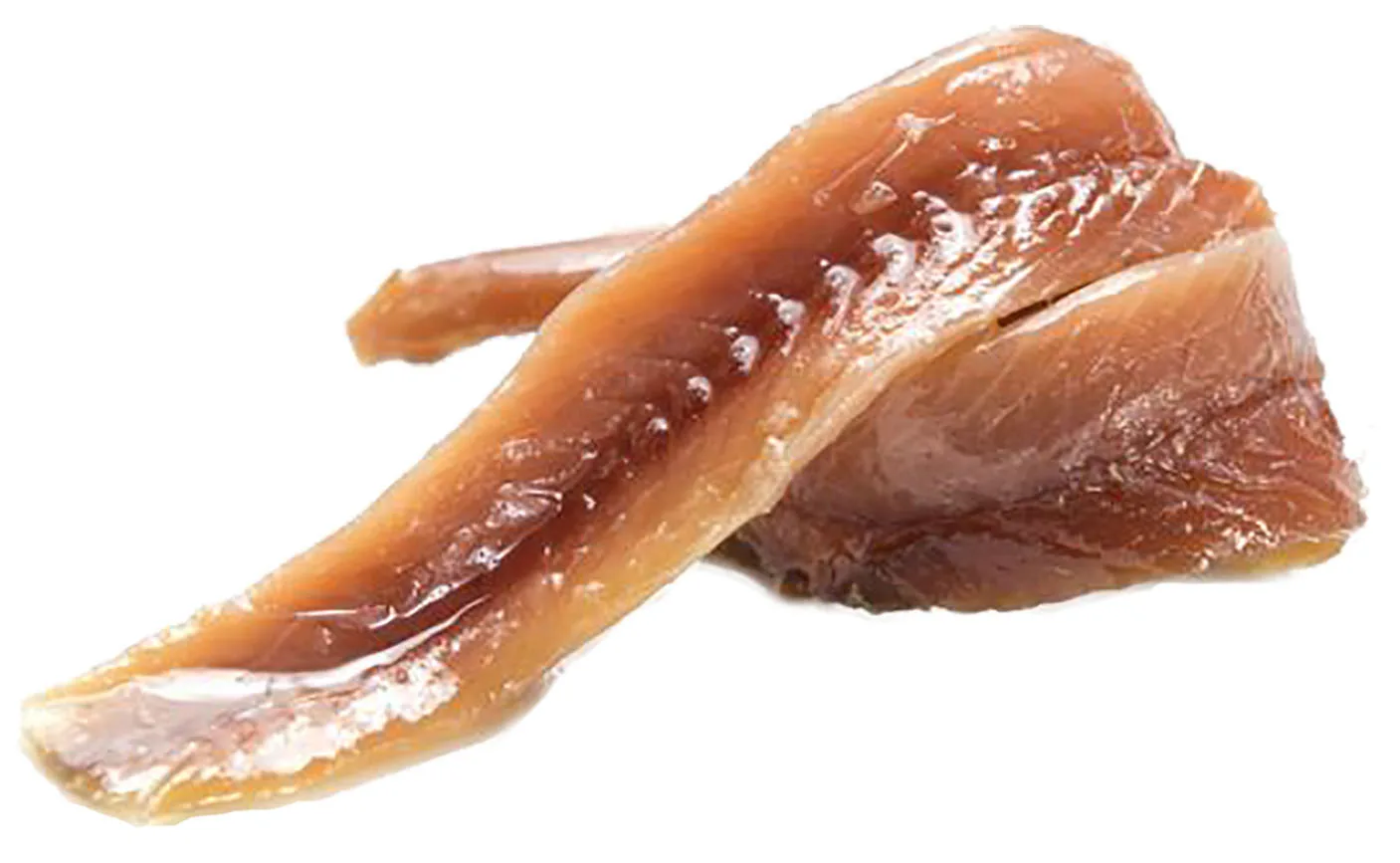
Some pairings look small on paper but completely transform the aperitif. Vermouth with anchovies is one of them. The reason is simple: the salty depth of the anchovy enhances the bitter herbal profile of the vermouth, while tomato bread adds freshness, texture, and a balanced finish that rounds out the whole experience. 🍷
It is not just about placing an anchovy next to the glass. When it is chosen and served well, it turns an ordinary pause into a more complete bar ritual. That is why, in many vermouth bars, this bite is one of the best ways to start ordering.
What makes a great anchovy in a vermouth bar
Not every anchovy delivers the same experience. In a vermouth bar that takes aperitifs seriously, the difference shows in a few key details:
Balanced curing: a good anchovy should be full of flavour, but not overly salty.
Firm, clean texture: the fillet should stay intact, meaty, and pleasant to bite.
Correct temperature: too cold and it loses nuance; too warm and it can feel heavy.
Good olive oil: a clean oil, used with restraint, helps the product shine.
Careful assembly: served on its own, over tomato bread, or on a simple base that does not steal the spotlight.
The best version usually appears when the house treats the anchovy not as a side note, but as a central part of the aperitif. That is where a vermouth bar really stands out.
The role of tomato bread in the aperitif
Tomato bread may seem secondary, but in reality it carries half the experience. Good bread with a light crust, a crumb with structure, well-spread tomato, and just the right amount of olive oil turns the anchovy into a much more complete bite.
The tomato adds acidity and juiciness. The bread brings structure.
And the anchovy contributes intensity. Together with vermouth, the result is an balance of salt, freshness, bitterness, and spice that works especially well late morning, before lunch, or during an informal afternoon stop.
If the tomato bread is made fresh and not overloaded, the combination improves greatly. The key is not to overcomplicate something that works precisely because of its simplicity.
How to choose a vermouth bar for vermouth with anchovies
If you want a clear recommendation, look at these points before sitting down or checking the menu:
1. The aperitif should be visible at the bar.
If you see selected preserves, carefully made small bites, or well-resolved tapas, that is usually a good sign. 2.
The anchovy should be handled with care. It is not the same to serve a product without thought as to prepare it in a way that truly complements the vermouth.
3. The tomato bread should be made to order.
That detail changes the final result a lot. 4.
The vermouth should be served with judgement. Tap or bottled, what matters is that it is well stored and well recommended.
5. The place should have an aperitif spirit.
In a true vermouth bar, the pace, the counter, and the menu usually invite exactly this kind of pairing.
The clearest recommendation: better if the anchovy is prepared in-house
If there is one takeaway, it is this: vermouth is much more enjoyable when the anchovy is not just an afterthought, but a house-made preparation or at least something carefully handled by the kitchen.
When a vermouth bar pays attention to this bite, it shows in the cut of the bread, the tomato, the oil, the placement of the anchovy, and the balance of the whole. It does not need to be fancy. It just needs to be done well.
So if you are choosing between several places, it is worth picking the one where the anchovy has real prominence and does not appear as a quick side item. In practice, that is often the option that leaves the best memory and pairs best with an aperitif vermouth.
When to order this aperitif and which vermouth pairs best
This bite works especially well in three moments:
Before lunch, when you want something savoury but not heavy.
On a vermouth route, as a short and satisfying stop.
At an informal meal, sharing several bar dishes.
As for pairing, it usually works very well with:
Red vermouth, if you want a gentle contrast between sweetness, spice, and saltiness.
White vermouth, if you prefer a fresher, lighter feeling.
A more herbal, drier style, if you want the anchovy to take even more of the lead.
The ideal service is simple: a well-served glass, anchovy at the right temperature, and tomato bread made fresh. You do not need much more to get it right.
FAQ
Does vermouth pair better with anchovy alone or with tomato bread?
Both work, but with tomato bread it usually feels more balanced and more complete as an aperitif.
What should a good aperitif anchovy have?
Good flavour, firm texture, controlled saltiness, and oil that supports the product without overpowering it.
Is it better to order it in a vermouth bar than in a general bar?
Usually yes, because a vermouth bar tends to care more about both the vermouth service and the bites that accompany it.
Which vermouth goes best with anchovy?
Red vermouth is the most popular choice, although a white or drier style can work very well if you want a fresher profile.
Is it worth it if the place prepares the anchovy or the assembly in-house?
Yes. When the house takes care of the product and the plating, the result is usually clearly better.
If you want to keep exploring aperitifs, you may also enjoy a guide to vermouth bars with a great counter, a route through the best bars for vermouth, or a selection of preserves and small bites that pair especially well with a well-chilled glass.