Tapa
Anchovies: How They’re Made, How to Eat Them, and Why They’re Pure Bliss with Vermouth
Salty, intense, and elegant, anchovies are one of those bites that can transform aperitif hour. Here’s how they’re made, how to store them, how to serve them, and why they shine brightest in a gilda, especially alongside a good vermouth.
2026-04-27
What Anchovies Are and Why They Have So Much Character
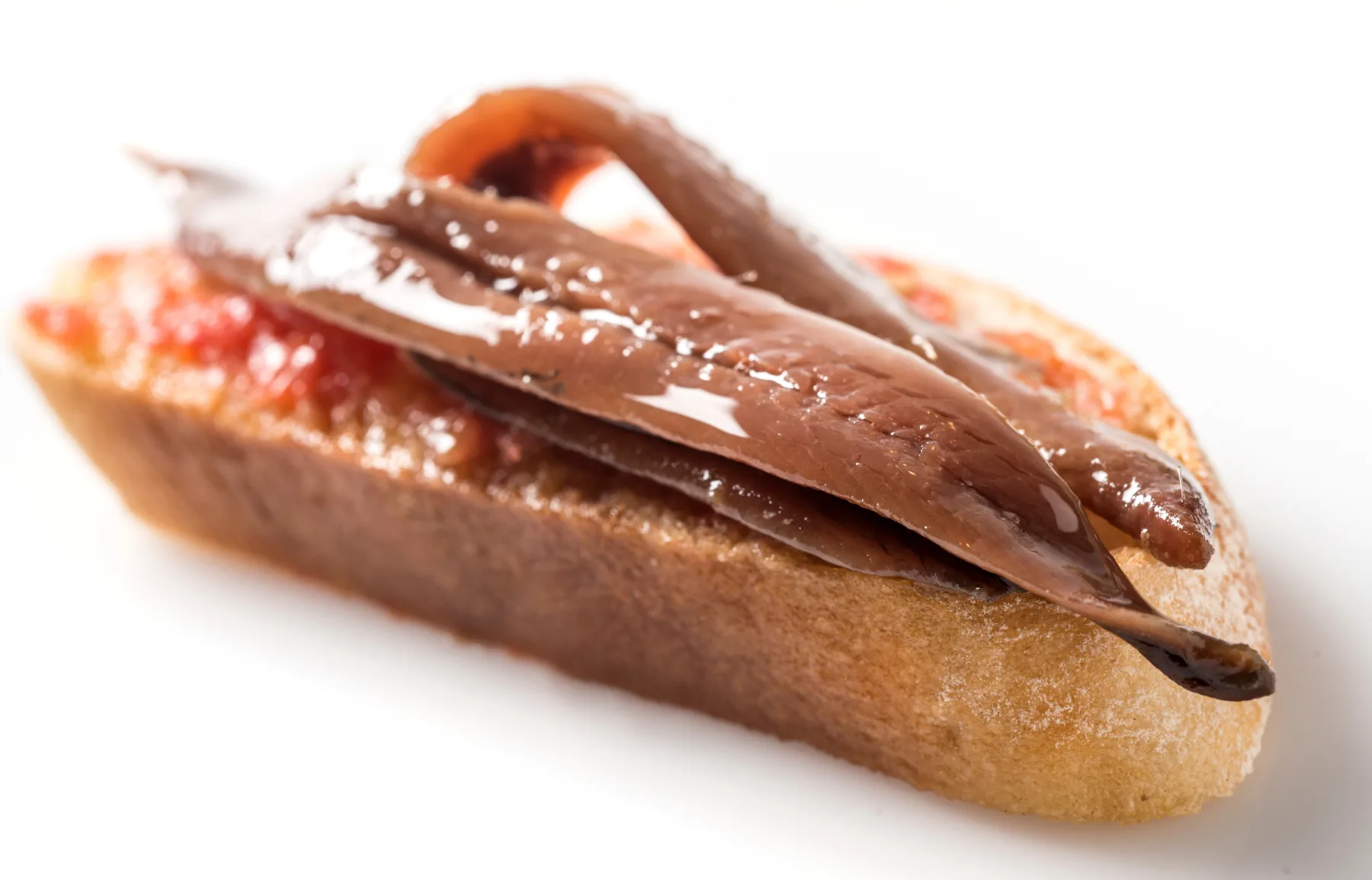
Anchovies are one of the great treasures of aperitif culture. Their flavour is deep, saline, umami-rich, and lingering, with an intensity that deserves to be handled with respect. When they’re good, they don’t just add salt: they bring texture, marine nuance, and an elegance that can transform a bar snack, a toast, or a simple skewer.
In Spain, anchovies are part of preserving tradition, slow aperitifs, and well-considered bites. They may be small in size, but they are huge in personality. And when they appear next to an olive, a piparra pepper, and a well-served vermouth, the result comes very close to perfection. 🍸
How Anchovies Are Made
The anchovies we usually eat preserved in oil or semi-preserved start as boquerón or anchovy, a small blue fish prized for its flavour. The production process is what turns that fresh fish into the intense anchovy we know.
First, the fish is cleaned and packed in salt. That curing stage is essential, because it concentrates the flavour, changes the texture, and develops that unmistakably savoury profile.
After that, the pieces are washed, the skin and bones are removed, and the fillets are carefully separated. Finally, they are usually packed in oil and ready to eat.
The final result depends on several factors: the quality of the fish, the salt level, the curing time, the cleanliness of the fillet, and the oil used in the preserve. That is why some anchovies are merely correct, while others are truly memorable. The best ones are meaty, glossy, clean, and balanced, with intensity but no harshness.
The Difference Between Anchovy, Boquerón, and Sardine
This is a very common question. Anchovy and boquerón come from the same fish, but they are not the same on the plate.
- Anchovy: cured in salt and usually preserved in oil.
- Boquerón: usually served fresh, often in vinegar, with garlic and parsley.
- Sardine: a different species altogether, fattier, larger, and with a different flavour profile.
Simply put: boquerón is fresh or marinated; anchovy is cured. They share an origin, but not the same gastronomic experience.
How Anchovies Are Eaten
Anchovies work beautifully in very simple preparations — and those are often the best. They don’t need much to shine. In fact, the better the product, the less you should try to hide it.
Here are some of the most common and rewarding ways to enjoy them:
- On bread or toast, with butter, grated tomato, or roasted pepper.
- In salad, adding depth to leafy greens, tomato, or peppers.
- With olives and pickles, as an aperitif or skewer.
- On a bag of crisps, for a crunchy-salty contrast.
- On a canapé, with fresh cheese, a smooth cream, or a vegetable base.
- In a gilda, where its intensity gives the whole bite its meaning.
The key is proportion. The anchovy leads. Everything else should support it, not compete with it.
The Gilda: The Bite Where Anchovy Changes Everything
If there is one preparation where anchovy truly shines, it is the gilda. This classic pintxo usually combines an olive, a piparra pepper, and an anchovy in a single bite. It looks simple, but behind it lies a very precise balance of salt, acidity, fat, heat, and texture.
The anchovy provides depth and impact. The olive adds roundness, and the piparra lifts the whole thing with its vinegar-led, vegetal edge. The result is addictive, sharp, and perfect for waking up the palate.
That is why people so often say the gilda is the ultimate aperitif bite. Not because it is complicated, but because it shows how three or four well-chosen ingredients can create something unforgettable.
A good gilda disappears in one bite. The second one is ordered with vermouth in hand.
Anchovies and Vermouth: A Glorious Pairing
Anchovies with vermouth are one of those harmonies that seem made for each other. The salty intensity of the anchovy finds an ideal partner in vermouth: gentle bitterness, herbal notes, spice, freshness, and a slight sweetness that brings everything into balance.
With red vermouth, the pairing tends to feel more rounded, indulgent, and spiced. With white or drier vermouth, it can feel fresher, sharper, and more vertical. In both cases, the contrast works beautifully when the serving is right and the aperitif is built with balance.
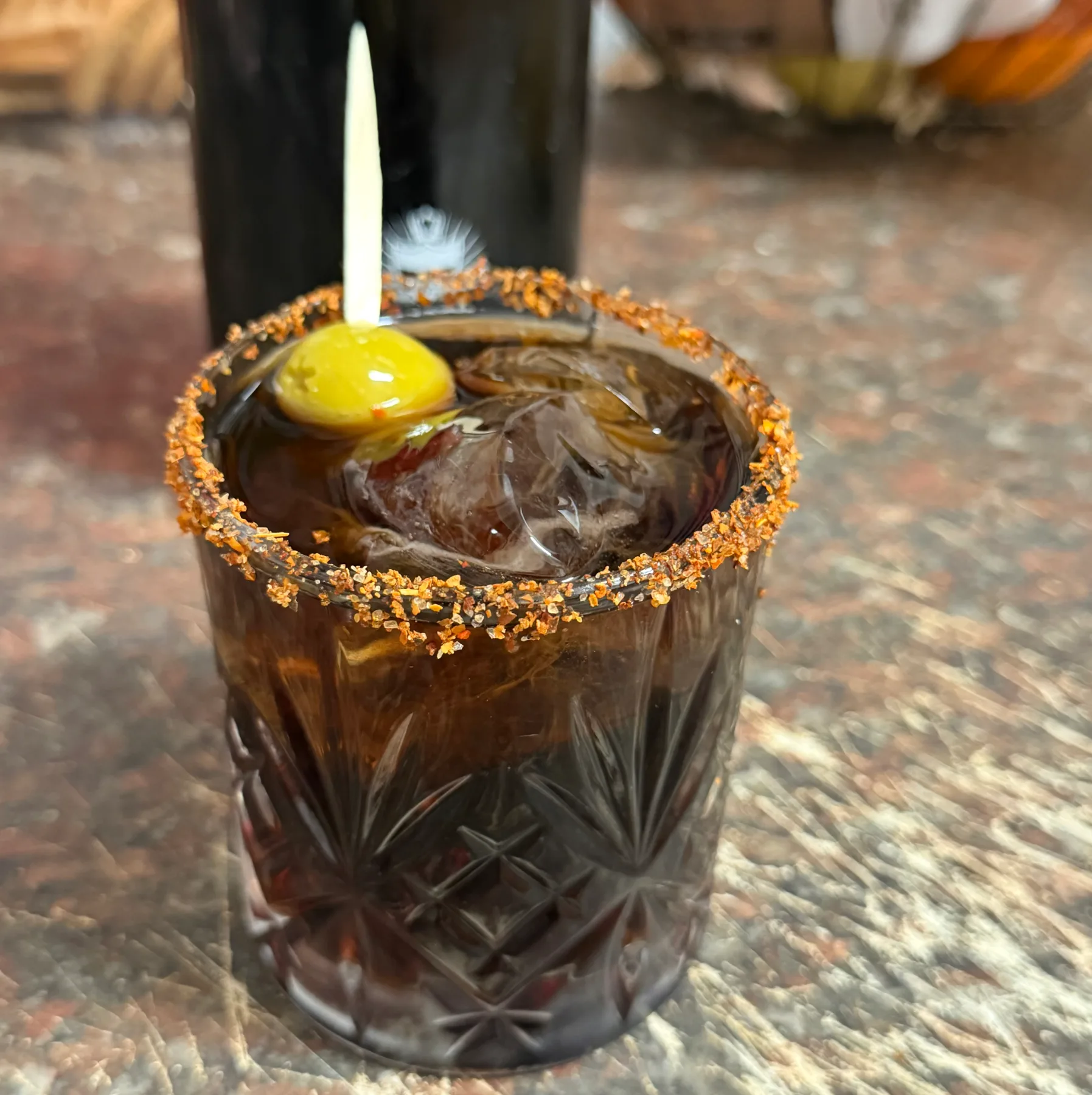
A superb anchovy, a well-assembled gilda, and a vermouth served cold, with ice and the right garnish if needed, create a scene that is hard to beat. It is bar culture, ritual, and pleasure all at once — a truly everyday luxury. 🫒
How to Store Anchovies at Home
Storage is essential if you want anchovies to keep their texture and flavour. As a delicate product, they need careful handling.
- Unopened: store them as indicated on the packaging, ideally in a cool place with no sudden temperature changes.
- Once opened: keep them refrigerated.
- Always covered: make sure the fillets are well covered in oil so they do not dry out.
- Eat soon: once opened, the best option is to enjoy them promptly so they keep their quality.
- Handle gently: use clean utensils and avoid breaking the fillets when removing them.
If anchovies are served too cold, part of their aroma will be muted. The best approach is to take them out a few minutes beforehand so they can express themselves fully in the mouth.
How to Enjoy a Good Anchovy at Its Best
A good anchovy does not need pomp, but it does deserve attention. It calls for proper bread, the right temperature, and company worthy of its flavour. It can be the star of a simple aperitif at home or the detail that elevates an informal table.
To enjoy it properly, it helps to keep a few things in mind:
- Choose meaty, clean fillets.
- Avoid accompaniments that are too overpowering.
- Serve it at a moderate temperature, not ice-cold.
- Pair it with pickles, olives, or good bread.
- Serve it with a well-made vermouth.
Anchovies have something special about them: they make small things feel important. A well-chosen tin, a polished gilda, and a glass of vermouth are enough to create a memorable aperitif.
Some products fill a table. A great anchovy fills the conversation as well.
FAQ About Anchovies
Are anchovies and boquerón the same thing?
They come from the same fish, but they are not prepared the same way. Anchovies are cured in salt and usually preserved in oil. Boquerón is eaten fresh or marinated, often in vinegar.
How can I tell if an anchovy is good quality?
Look for a clean appearance, firm but juicy flesh, a glossy finish, balanced salt, and a deep flavour that is never harsh.
Can anchovies be eaten on their own?
Yes. In fact, a good anchovy can be enjoyed perfectly well on its own. It also works beautifully on bread, with butter, tomato, olives, or pickles.
Why does a gilda include anchovy?
Because the anchovy adds the intensity and salty edge that balance the olive and the piparra. Without it, the bite loses much of its character.
Which vermouth goes best with anchovies?
It depends on taste. Red vermouth gives a rounder, more spiced pairing.
White or dry vermouth brings more freshness and tension. Both can work very well.
How should opened anchovies be stored?
In the fridge, tightly sealed, and preferably covered with oil to prevent them from drying out. It is best to eat them soon so they keep their best texture and flavour.