How to Drink Vermouth: The Perfect Serve Guide | GuiaVermut.com
Guia
How to Enjoy a Good Vermouth: the ritual for serving it and really appreciating it
Temperature, ice, olives, a slice of orange or lemon, mint in some rosé styles, and the best moment to drink it. This practical guide explains how to serve the perfect vermouth, what to pair it with, and which small details make all the difference.
2026-04-22
What makes a well-served vermouth special
A good vermouth is not just about the bottle. It also depends on how it is served, the temperature, the glass, the ice, and the pairing. The difference between an acceptable vermouth and one you truly enjoy is often found in the small details: that it is properly chilled, that it does not get watered down, that the garnish enhances rather than masks it, and that it reaches the table with something tasty on the side 🍸
The idea is simple: respect each house style and serve it in a way that preserves the balance between bitterness, sweetness, herbal notes, and freshness. Some vermouths are more classic, others more wine-led, some spicier, and others lighter or more floral. That is why not every style calls for exactly the same ritual.
The ideal temperature: cold, but not overchilled
If there is one basic rule, it is this: vermouth should be served cold. Not so icy that it shuts down the aromas, but fresh enough to feel lively, appetising, and refreshing.
The best approach is to chill the bottle before serving. If it has spent several hours in the fridge, even better. A vermouth served cold from the start keeps its character better than one served warm and then rescued at the last minute with too much ice.
As a practical guide:
Red vermouth works best fresh, but not extreme.
White vermouth usually benefits from a brighter, lighter serve.
Rosé vermouth often shines very cold, especially when it has a more aromatic or floral profile.
When it is too warm, the sweetness becomes heavier and the whole drink feels flat. When it is too cold, it loses expression. The sweet spot is balance.
With ice or without ice
There is no single answer here. It depends on the style of vermouth and the occasion.
If the vermouth is already very cold, it can be served without ice, especially if the aim is to appreciate its profile more clearly. That tends to work very well with quality vermouths that have strong personality, or when served in a short glass and enjoyed slowly, without dragging it out too long.
If you want a more refreshing sip, two large ice cubes are an excellent option. The key is for the ice to be solid.
Small or cracked ice melts too quickly and waters the drink down. Better two firm cubes than a pile of weak ice.
A useful rule of thumb:
No ice: when the bottle is well chilled and you want a cleaner expression.
One or two large ice cubes: when it is hot, when it will be served with aperitif food, or when the vermouth style can handle a fresher serve.
What you want to avoid is filling the glass with ice and leaving the vermouth as a weak, flavourless puddle.
What makes the perfect vermouth: olives, citrus, and other nuances
The classic garnish still works for a reason: it complements without getting in the way.
The olive
The olive is probably the most recognisable vermouth companion, especially in a traditional serve. It adds saltiness, wakes up the palate, and fits beautifully with herbal and bitter profiles. In a classic red vermouth, few things work as well as a good olive.
Orange or lemon
Some producers recommend serving their vermouth with a piece of orange or a strip of lemon peel. That makes sense, because citrus can highlight specific notes in the aromatised wine.
Orange usually pairs very well with red, spiced, or warmer-style vermouths.
Lemon can work better with white or drier vermouths, where it adds a sharper, fresher edge.
The key is not to turn the glass into fruit salad. A small piece, a peel, or a thin slice is enough.
Mint in some rosé styles
In certain rosé vermouths, especially the more aromatic ones, a mint leaf can bring a very pleasant fresh note. If the house recommends it, it makes perfect sense to follow that lead. In a rosé such as Montseta-style expressions, for example, mint can fit nicely without overpowering the drink, as long as it is used sparingly.
What to avoid
Mixing several garnishes at once without a clear reason.
Adding too much citrus and overwhelming the vermouth.
Using herbs or condiments that hide the main aroma.
How to serve each type of vermouth
Not every vermouth asks for the same treatment. The right service can improve the experience a lot.
Red vermouth
This is the style most closely linked to the classic aperitif. It is usually served cold, in a low tumbler or short glass, with an olive and, in some cases, orange.
If it has a complex profile, it is better not to overcrowd the glass. A single large ice cube may be enough.
White vermouth
This style is usually lighter, more floral, or marked by a brighter freshness. It benefits from a low temperature, a clean serve, and, if it fits the style, a touch of lemon. Ideal for anyone looking for a lighter aperitif.
Rosé vermouth
Rosé has carved out its place thanks to its friendly, aromatic, and highly versatile profile. Serve it very cold, with measured ice and, if the house’s proposal goes that way, with mint or a gentle citrus note. It works beautifully for long aperitifs and also in the late afternoon.
What to pair with vermouth
Vermouth calls for something to eat alongside it. There is no need to build a full meal, but it does benefit from bites that match its bitter, sweet, and spiced character.
The classics are classics for a reason:
olives and pickles
good-quality crisps
cockles, mussels, or tinned seafood
anchovies in vinegar
anchovies
gildas
cured or semi-cured cheese
fuet, salchichón, or delicate cured meats
toasted almonds or nuts
If the vermouth is lighter or rosé, you can also pair it with less salty, fresher options. If it is a classic red vermouth, pickles, preserves, and cured meats usually work especially well.
What time is vermouth best enjoyed?
The traditional window is clear: before lunch. Vermouth grew and became established as an aperitif, so its natural moment is usually between late morning and the lead-up to the meal.
That said, today it is enjoyed at more times:
Before lunch: the most classic moment.
Mid-afternoon: especially if paired with something light.
For a long weekend aperitif: when the round goes on and the table fills with small plates.
If you drink it in the afternoon, fresher, cleaner, lighter serves usually work best. Before lunch, it pairs very well with saltier or more intense snacks.
Common mistakes when serving vermouth
Often the product is not the problem: the serve is. These are some frequent mistakes:
Serving it warm.
Using poor-quality ice that waters it down in minutes.
Adding too much orange, lemon, or herbs.
Choosing an overly aggressive olive.
Using the wrong glass and overfilling it.
Masking a good vermouth with unnecessary additions.
A good serve is usually simpler than it seems: chilled bottle, proper glass, the right ice if needed, one well-chosen garnish, and something to nibble alongside it.
How to order a good vermouth at a bar
If you are at a bar and want to get it right, there is a very simple way to ask for it well. Ask which vermouths they have, how they serve them, and whether the house recommends a specific garnish. When a venue takes the aperitif seriously, it usually already knows the best service for each label.
You can use simple phrases like:
“A red vermouth, very cold, with an olive.”
“Do you serve this white with lemon, or better on its own?”
“If you recommend the rosé with mint, I’ll try it that way.”
“I’d rather have very little ice so it doesn’t get watered down.”
That small conversation often makes all the difference and helps you discover how each place likes to present it.
Useful FAQ about how to drink vermouth
Is vermouth always served with ice?
No, not always. If it is well chilled straight from the fridge, it can be served without ice. If you want a fresher sip, one or two large ice cubes work very well.
Which is better, olive or orange?
It depends on the vermouth. The olive is especially suited to the classic serve, particularly with red vermouth.
Orange can work very well with spicier styles. Ideally, follow the house recommendation when there is one.
Should lemon be added to vermouth?
Yes, but not to every vermouth. Some white or fresher styles benefit from a touch of lemon. The important thing is moderation, so it does not hide the wine’s profile.
Can rosé vermouth be served with mint?
Yes, in some cases it works very well. If the producer or the venue recommends it, mint can add freshness and enhance the aromatic profile of the rosé.
What is the best time to drink vermouth?
The most classic time is before lunch, but it also works very well in the afternoon or during a long weekend aperitif.
What pairs best with vermouth?
Olives, pickles, preserves, anchovies, gildas, crisps, nuts, and cured meats all work very well. The best choice depends on whether the vermouth is more classic, lighter, or more aromatic.
FAQ
Is vermouth always served with ice?
No. If the bottle is properly chilled, it can be served without ice so its aromas come through better. If you want a more refreshing drink, the ideal option is to add one or two large ice cubes to avoid watering it down too quickly.
What does a classic vermouth include?
The most common serve is cold, in a low tumbler or short glass, with an olive. Depending on the vermouth style or the house recommendation, it may also include a touch of orange or lemon.
Can you put mint in vermouth?
Yes, especially in some rosé vermouths with an aromatic profile. If the house recommends it, a mint leaf can add freshness without hiding the rest.
What do you eat with vermouth?
Olives, pickles, preserves, whitebait, anchovies, gildas, crisps, nuts, and cured meats are all very common pairings. They work because they balance the bitter, sweet, and herbal character of vermouth.
What time do you drink vermouth?
Traditionally, it is enjoyed before lunch as an aperitif. It is also a great option in the afternoon or at weekend gatherings with something to nibble.
What is the most common mistake when serving vermouth?
Serving it warm or with poor-quality ice. It is also common to overload the glass with too much citrus or too many herbs, which ends up masking the taste of the vermouth.
Fichas recomendadas
Lugares y referencias dentro de esta guia
Una seleccion de fichas relacionadas para ampliar la lectura y entrar directo en bodegas, vermuts o locales.
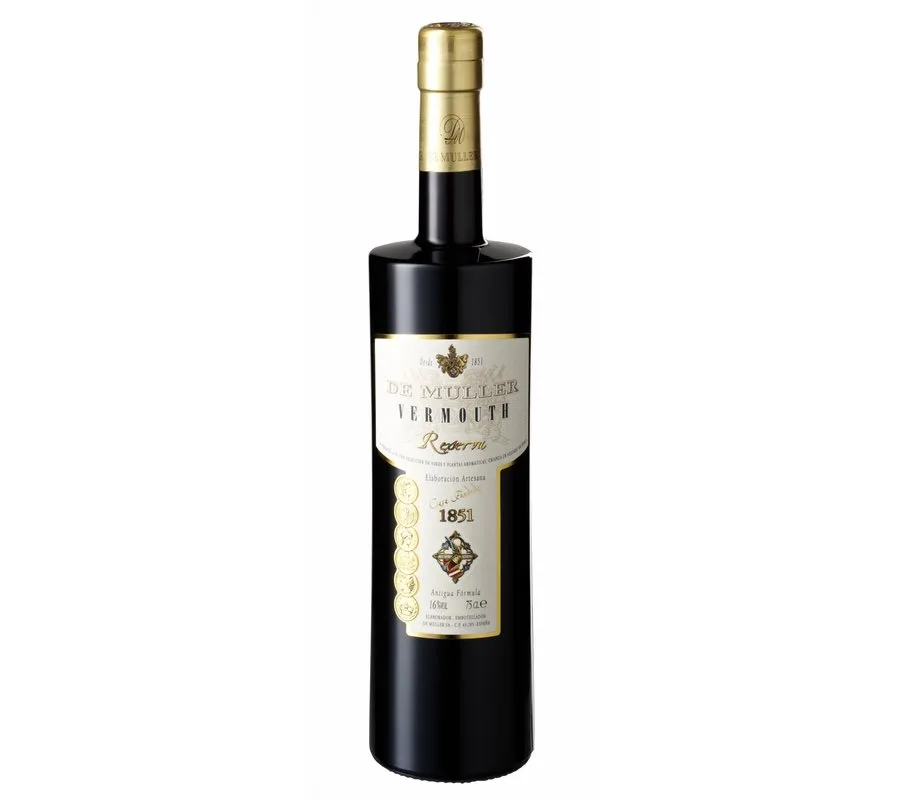
De Muller’s most premium vermouth. Aromatic herbs macerated with wine in centuries-old wooden vats that once aged wine, then given a long maturation in small oak foudres. Deep amber in colour, with toasted notes, dried fruit, cocoa and coffee. Elegant, expressive and 16% vol.
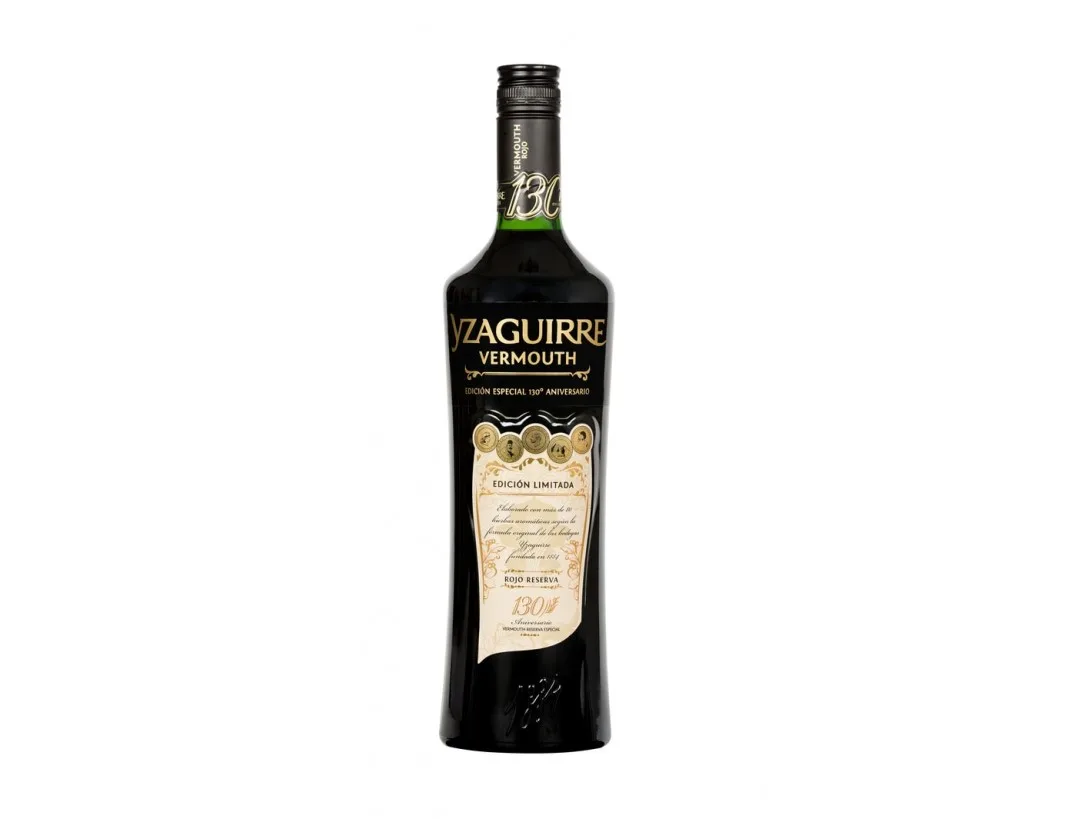
Limited commemorative edition created to mark Bodegas Yzaguirre’s 130th anniversary. Red reserva vermouth aged for 15 months, with a second botanical extract that heightens the citrus aromas. Mahogany color with amber highlights. 18% ABV.
wormwood · peel of bitter orange · citrus Mediterranean · cinnamon · clove · herbs aromatic · spices · gentian · wood de oak