Tapa
Meatballs with cuttlefish: the tapa you can’t stop dipping bread into
Succulent, soft, and served with a sauce that practically begs for bread, meatballs with cuttlefish are one of those surf-and-turf dishes that capture the essence of the Mediterranean in every bite. Here’s where this recipe comes from, why it’s so addictive, and how to enjoy it as a tapa or as a main dish.
2026-10-21
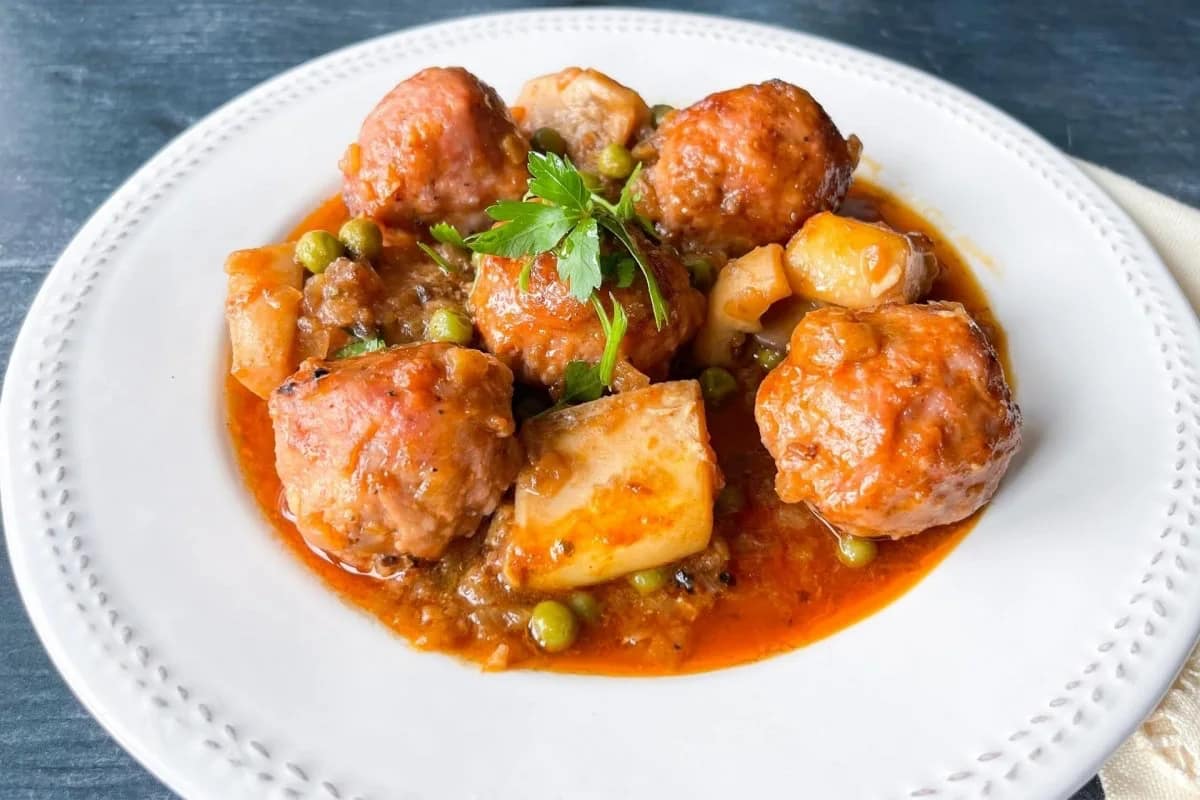
Meatballs with cuttlefish: surf-and-turf with a bar-snack soul
Meatballs with cuttlefish have everything a great tapa should deliver: deep flavor, a tender texture, and a sauce that turns the bread basket into part of the ritual. It’s Mediterranean surf and turf at its best, a dish built on humble ingredients, patience, and plenty of kitchen depth to achieve a truly rounded result.
As soon as it arrives at the table, the dish makes its presence known. On one side, the meatballs: juicy and well bound. On the other, the cuttlefish, with that delicate, meaty bite that adds a distinctly Mediterranean identity. And tying it all together, a rich sauce, usually simmered slowly, that brings both worlds together and makes every bite demand the next. 🍷
Why this tapa is made for dipping bread
It’s not just a saying. In meatballs with cuttlefish, the sauce is almost as important as the stew itself. It’s usually savory, silky, and layered with nuance: the sofrito, the stock, the splash of wine or the finishing picada, and the juices released by the meat and cuttlefish during cooking all create a mellow, deeply comforting base.
That balance between intensity and softness explains why this tapa works so well both at the bar and at the table. It has character, but it doesn’t feel heavy when it’s made well. With every spoonful, you get marine notes, hints of home-style stew, and that unmistakably Mediterranean feeling that invites you to slow down, talk, and of course, keep dipping bread.
What goes into a good meatballs-with-cuttlefish recipe
Every home and kitchen has its own version, but a good serving of meatballs with cuttlefish usually includes:
- Juicy meatballs, usually made with well-seasoned minced meat.
- Tender cuttlefish, cleaned and cut into pieces that blend naturally into the stew.
- A well-developed sofrito, essential for depth.
- Stock or broth to give the sauce body.
- A finishing picada or paste in some versions, to round out texture and flavor.
The ideal result is not a dish where meat and seafood compete, but one where both ingredients work in harmony. The meatballs bring softness and depth; the cuttlefish adds a saline counterpoint and a firmer texture that makes the dish far more interesting.
The secret is in the sauce
If there’s one element that can turn decent meatballs with cuttlefish into a memorable dish, it’s the sauce. It should be cohesive, glossy, and thick enough to coat each piece without hiding it. A watery sauce ruins the experience; an overly thick one can flatten the nuances.
When it’s done right, the flavors unfold in layers: the sweetness of the sofrito, the depth of the stock, the marine edge of the cuttlefish, and the richness of the meat juices. In many traditional versions, the final picada adds that signature finish, rustic yet elegant, that defines so many Mediterranean coastal stews.
How it’s served: from tapa to sharing dish
Meatballs with cuttlefish work beautifully in different formats. At a vermouth bar, they can appear as a substantial tapa, perfect for opening the appetite or sharing between two while waiting for other plates. At the table, they gain presence as a main dish or as one of those stews placed in the center for everyone to help themselves.
It’s a particularly rewarding preparation because it holds heat well, improves after a little resting time, and fits just as naturally into a casual lunch as into a long, leisurely meal. That’s why it often appears on traditional menus, in neighborhood eateries, and in bars that take classic recipes seriously.
What to serve with meatballs and cuttlefish
The best pairing is often the simplest: good bread. A loaf with a crust and crumb that can really capture the sauce makes all the difference. From there, it also works well with potatoes, a bit of white rice, or even fresher tapas that help balance the richness.
For drinks, it tends to pair best with options that can support the savory character of the stew without overpowering it. During a long aperitif, it can easily sit alongside dry drinks with enough freshness to cleanse the palate between bites. 🥂
A dish deeply rooted in Mediterranean cooking
Meatballs with cuttlefish perfectly capture a way of cooking typical of the Mediterranean arc: making the most of good ingredients, combining sea and land without gimmicks, and giving pride of place to slow simmering. This isn’t a quick-impact tapa; it’s one of those dishes that wins you over through depth, tradition, and the ability to bring people together around the plate.
Anyone who tries it understands its appeal immediately. It has the charm of home cooking, the personality of great stews, and that indulgent edge that turns every swipe of bread into part of the experience. If you’re looking for a tapa with identity, flavor, and real enjoyment, few options are as satisfying as well-made meatballs with cuttlefish.
FAQ about meatballs with cuttlefish
What exactly are meatballs with cuttlefish?
They’re a surf-and-turf stew that combines meatballs with cuttlefish in a flavorful sauce, usually made with sofrito and stock.
Are meatballs with cuttlefish served as a tapa or as a main dish?
Both. In many bars they work very well as a tapa to share, while in restaurants and traditional eateries they’re often served as a dish.
Why are they so famous for dipping bread?
Because the sauce usually has real depth of flavor and a mellow texture that makes it irresistible right down to the last spoonful.
What makes a meatballs-with-cuttlefish dish memorable?
It usually comes down to three things: juicy meatballs, tender cuttlefish, and a sauce that is well bound, intense, and balanced.
Is this a classic surf-and-turf recipe?
Yes. It brings together meat and seafood in a single stew, a combination that is highly representative of Mediterranean cooking.